Written by Marie-Lou Penin
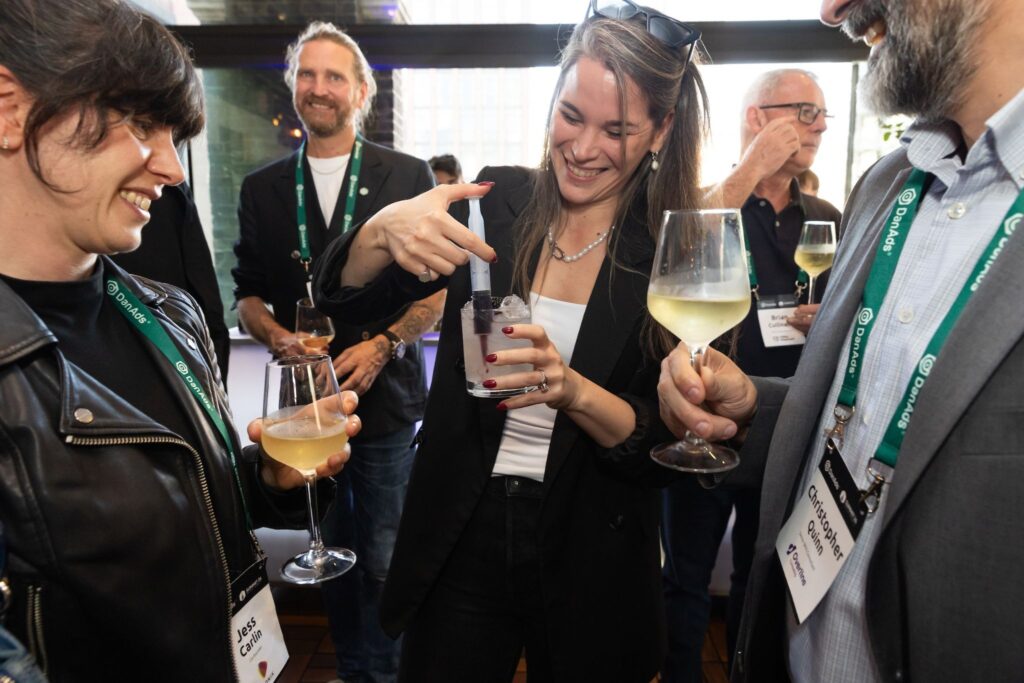
On 14 October 2026, the DanAds | Summit returned to New York for its fifth edition. Publishers, broadcasters, agencies and ad tech partners filled the room, with plenty of new faces alongside the regulars.
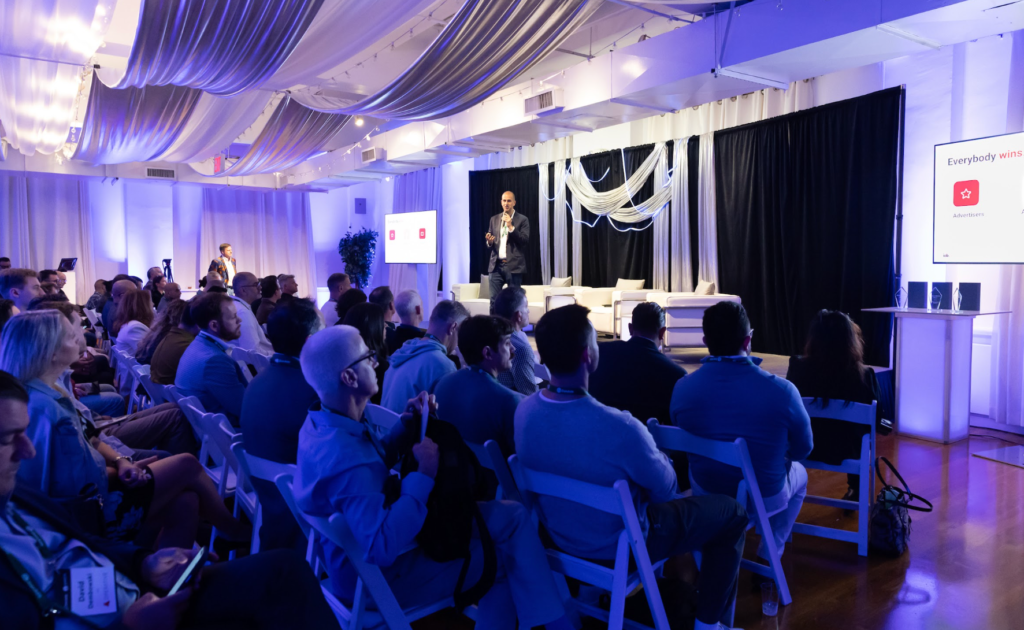
The set looked like something out of a sci-fi film, and that was the point. As host Rob Beeler of Beeler.Tech put it when he opened the day, the industry is no longer wondering what the future of AI will look like. “We are now in the future,” he told the room. “If you’re not moving, you are going to be quickly behind.”
Over a packed day of keynotes, panels and interactive sessions, one theme ran through everything: agentic AI is arriving in advertising, and the winners will be the ones doing the groundwork now.
Here are eight takeaways from year five, plus our 2026 award winners.
1. Agents are real, but they’re not trading at scale yet
The hype is loud, but the room was honest about where things stand. Natasha of Vevo pointed out that AI has only been this capable for about nine to twelve months. Buying and selling agents are not yet operating at scale.
That doesn’t mean anyone is sitting still. A Prebid survey of 30 companies, shared by Sigma Software’s Olga, found only 3% were not exploring agentic buying at all. Most have moved into pilots. Rob Beeler warned that the holding companies are building the pipes now, and once a test or two works, they will move fast.
The takeaway: don’t wait for scale. Join a pilot and talk to your biggest partners now.
2. Open standards will decide who gets seen
An agent is only as good as what it can see, said Matthew Jacobs, head of agentic at IAB Tech Lab. If you’re not in the list it’s looking at, you won’t be chosen. Without shared rules, platforms decide who is visible, and everyone else becomes a fulfillment layer.
Tech Lab’s newest answer is Open Proposal, a spec that lets publishers describe, product by product, what they sell to buyer agents, from brief all the way to buy. As Rob put it, for the first time a publisher could get a signal of what the buyer actually wants, not just a bid.
The takeaway: read Open Proposal on Tech Lab’s GitHub and comment before the deadline. It’s open until 22 October.
3. Agentic AI won’t fix broken workflows
Brian from Sigma Software delivered the day’s reality check. Selling to agents isn’t about switching on a sales agent and waiting for money to roll in. It’s more like training for a marathon: you build the muscle memory before the race.
His playbook was practical. Start with specific formats and a buyer you already know. Standardise the processes that vary from team to team. Decide where approvals and humans sit in the loop. Then measure volume, velocity and efficiency as you go.
The good news, as Natasha noted, is that the groundwork for a selling agent is the same work that powers your internal automation. It isn’t a separate project.
The takeaway: fix the process first, then automate it. Start small and specific.
4. Your data is your moat
Models are getting commoditised, and open-source options keep catching up. What won’t be commoditised is a publisher’s own data. Speakers agreed that what used to be passive data – identity, audience, contextual, structured and unstructured – is now an active asset, because agents need context to decide.
Sam from Relevant Digital showed what that looks like in practice. Relevant connects LLMs to its product data through an API, so sales users can just ask questions in plain language. Its AI brief greets you each morning with everything that happened overnight and where to focus first.
The takeaway: get your data organised, governed and available through APIs. Tools without an API are quickly becoming a dead end.
5. Sell outcomes, but don’t sell brand short
Ali, founder of Nodals AI, argued that advertisers increasingly want to buy real outcomes, such as test drives or new customers, not repackaged CPA. Publishers that can model and prove those outcomes will win budget. Vevo already sells on attention and sees up to three times the performance when advertisers layer on its advanced audiences.
The sports panel added an important counterweight. A great live moment is one of the best branding stages there is, and reducing it to last-click attribution undersells it. Outcomes can mean moving someone to consideration, not just a purchase.
The takeaway: define what an outcome means for each client, and measure the full funnel, not just the last click.
6. TV convergence is accelerating
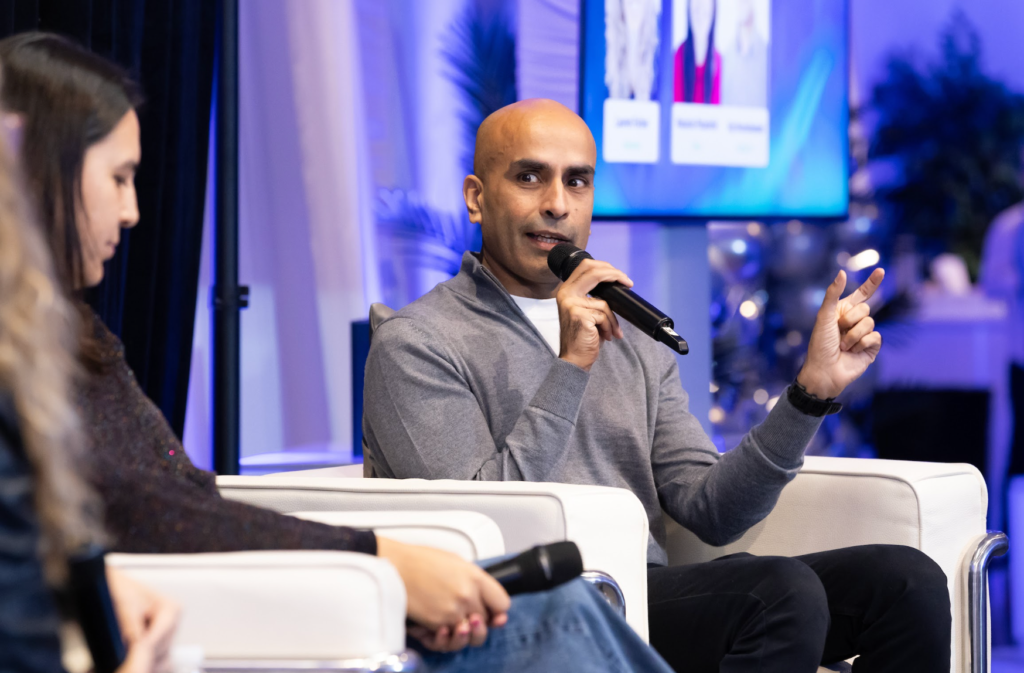
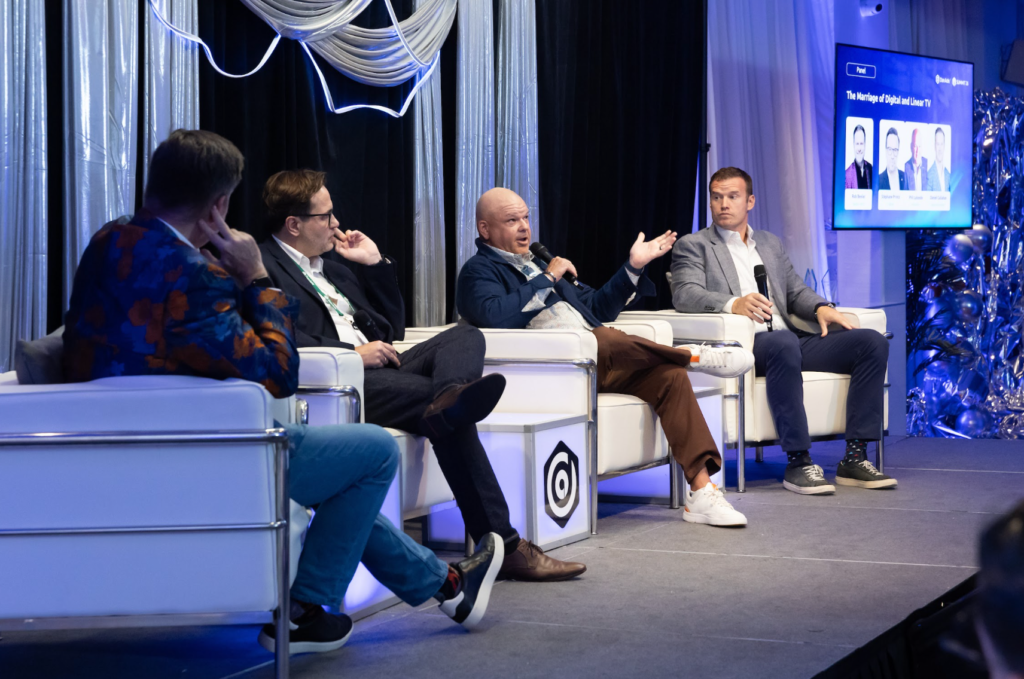
Are linear and streaming finally coming together? Stéphane Printz of tvbeat had one word for the last 12 to 18 months: acceleration. Audiences already move freely between the two, and advertisers want to follow them across both.
Phil of TelevisaUnivision and Dan Callahan of Spectrum Reach dug into making local and Spanish-language inventory easier to buy, and why measurement can no longer come at the end of the process. They also made a strong case for TV in an agentic world: it creates intent before anyone starts searching, and that moment matters more when agents handle the purchase.
The takeaway: treat linear and streaming as one audience, and build measurement in from the start.
7. Live sports and fandom are the next frontier
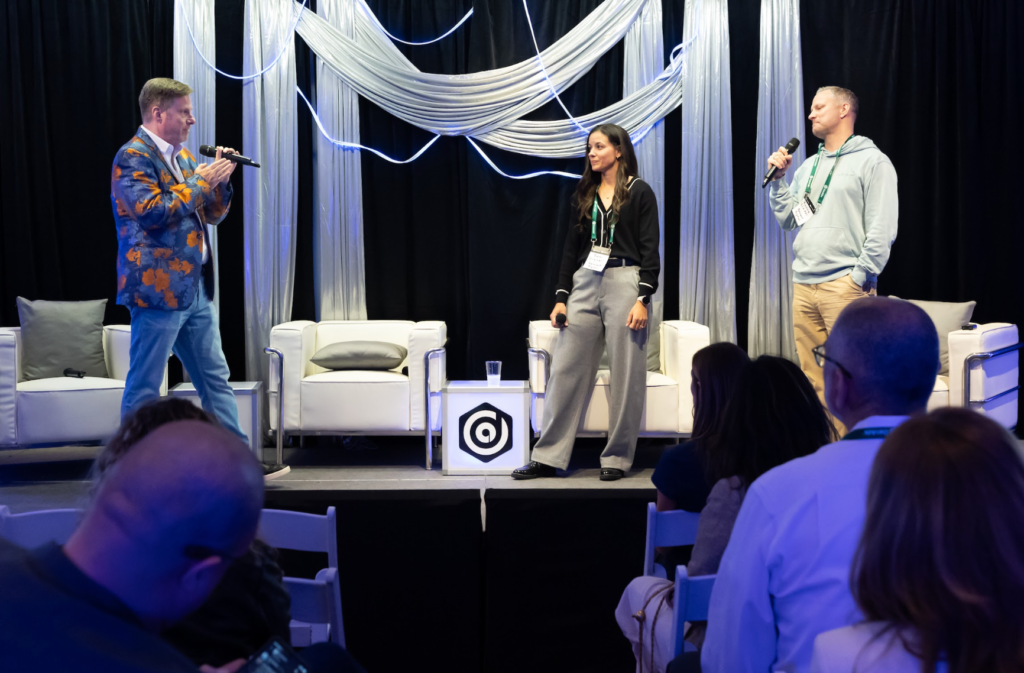
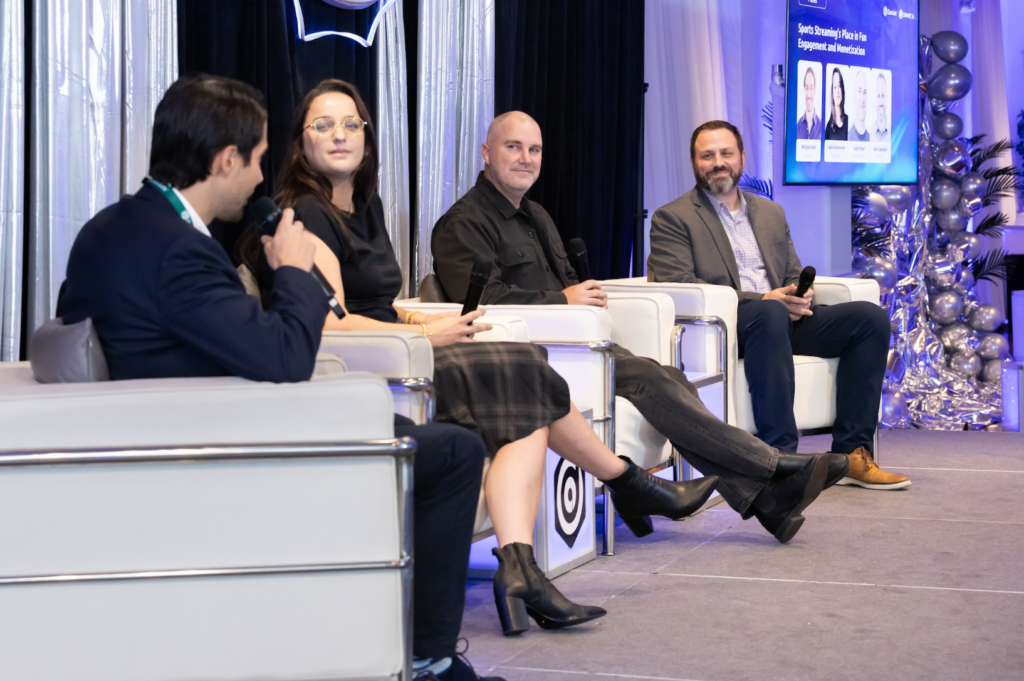
Fandom drives eyeballs, and eyeballs drive revenue. Diana Hoffman of AMC Global Media, Megan Myers of Fox Corporation, Katie of new start-up ReachWise and Gil Summer of FreeWheel explained why live sports is both the biggest opportunity and the hardest to get right.
Audiences can double or triple mid-game when a match gets close, so pacing, ad decisioning and creative approval all have to be flawless. Direct and programmatic teams that once sat apart now need to work together. FreeWheel is testing live-moment contextual targeting, which reads what’s happening in the game and signals it to buyers.
Rob called fandom and community the future of publishing, because publishers will need to give people a reason to choose them over an agent’s summary.
The takeaway: invest in the communities that make people show up, and make sure your systems can scale with them.
8. Self-serve wins with a human in the loop
Three publishers who have made self-serve work shared what it takes: Isabel of TripAdvisor, Todd Fisher of Nine Ad Manager in Australia, and Alex Campbell of theScore, a DanAds partner for over three years.
Their success stories were local and specific. TripAdvisor has built products for small businesses, including values-driven offers through ads.eco. Nine gives local advertisers an alternative to the duopoly. theScore recently signed up the Saskatchewan Roughriders to promote ticket sales in its region.
For many small advertisers, the spend may be their whole marketing budget, so the experience has to be excellent. Self-serve doesn’t mean no service.
The takeaway: keep a human in the loop, listen to your clients, and expect to keep iterating.
Celebrating our clients: the 2026 DanAds Awards
As every year, we closed by honouring the clients who did outstanding work with us.
| Award | Winner |
|---|---|
| Best User Experience | Axios |
| Best Product Launch & Growth | TripAdvisor |
| Most Innovative | RTL Ad Alliance |
TripAdvisor, which first won this award three years ago, toasted to a record-breaking 2026 and another growth year in 2027. Alex Carlin accepted Most Innovative for RTL, which uses DanAds across Europe and the US.
The bottom line: from revenue to profit
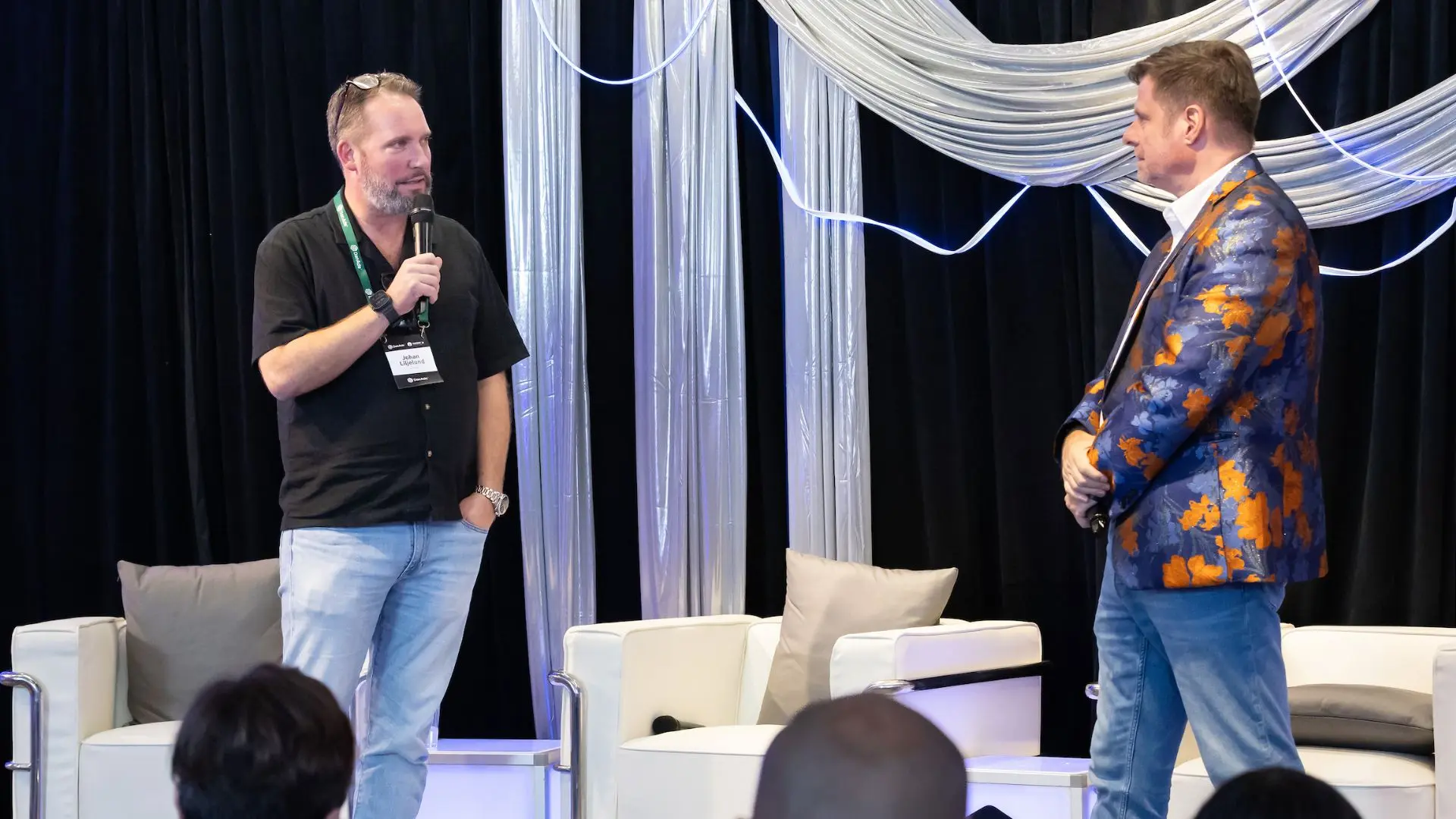
Wrapping up the day, Rob made one final point. Ad operations teams have long been asked to squeeze out more revenue. Now the conversation is about profit: making processes efficient enough for an agent to run, while keeping a human in the loop. DanAds’ Johan added that whatever protocols arrive, it’s still the publisher’s content that holds the value.
Then Rob suggested doing something agents can’t do: heading upstairs into the sun for a drink.
A huge thank you to official partner Sigma Software, platinum partners Relevant Digital and TVBEAT, silver partners ads.eco, the Women in Programmatic Network and Nodals AI, and every speaker and guest who joined us for year five. See you in year six.